.webp)
7 Proven Ways to Strengthen Construction Site Security in London
Construction projects across London face a wide range of security challenges, from equipment theft and vandalism to unauthorized access and safety risks. Effective Construction Site Security London solutions are no longer optional—they are an essential part of protecting workers, assets, materials, and project timelines.
Whether you manage a small residential development or a large commercial project, investing in reliable security measures can help reduce financial losses, prevent delays, and maintain compliance with industry regulations. London construction sites are often located in busy urban environments, making them attractive targets for criminals seeking valuable tools, machinery, and materials.
This guide explores seven proven ways to improve Construction Site Security London projects rely on while helping contractors, developers, and site managers create safer and more secure working environments.
Why Construction Site Security Matters in London
London remains one of the busiest construction markets in the UK. With high-value equipment, expensive materials, and multiple contractors working on-site, construction locations can become vulnerable to theft, trespassing, and criminal damage.
A strong security strategy helps:
- Prevent construction site theft
- Protect valuable equipment and materials
- Reduce project delays
- Improve worker safety
- Support compliance with site regulations
- Enhance construction risk management
- Reduce insurance claims and costs
By implementing professional security measures, businesses can ensure better construction site protection while maintaining operational efficiency.
1. Employ Professional Construction Site Security Guards London
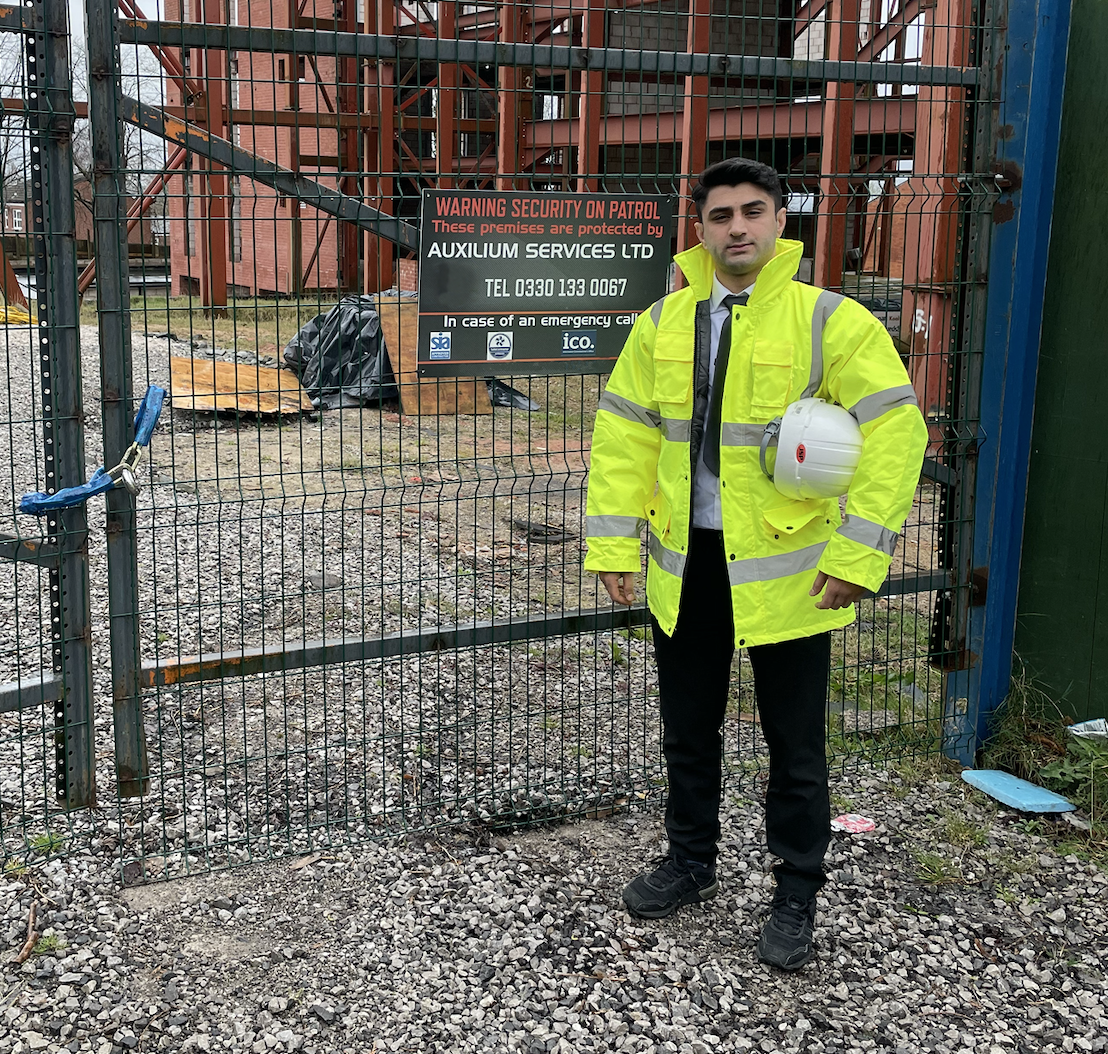
One of the most effective ways to secure a construction site is by hiring experienced construction site security guards London companies can trust.
Visible security personnel act as a powerful deterrent against criminal activity. Trained guards can monitor entrances, conduct patrols, verify credentials, and respond quickly to suspicious behaviour.
Professional guards can also:
- Monitor deliveries and contractors
- Conduct perimeter inspections
- Record incidents and security breaches
- Enforce site safety procedures
- Support emergency response efforts
Many contractors choose construction site security services that include both static guarding and mobile patrols to provide comprehensive protection around the clock.
Benefits of Manned Guarding
- Immediate response to threats
- Enhanced site visibility
- Improved worker confidence
- Better access control management
For high-risk developments, manned guarding for construction sites remains one of the most reliable security solutions available.
2. Install Construction Site CCTV Systems
Modern construction site CCTV technology has transformed how construction sites are monitored throughout London.
High-definition cameras provide continuous surveillance and create valuable evidence in the event of theft, vandalism, or unauthorized entry.
Strategically positioned cameras should cover:
- Site entrances
- Material storage areas
- Equipment compounds
- Perimeter fencing
- Vehicle access points
Advanced CCTV systems can also integrate with alarms and remote monitoring centres to deliver enhanced construction site surveillance.
Key Advantages of CCTV
- 24-hour monitoring
- Crime deterrence
- Evidence collection
- Remote viewing capabilities
- Reduced security risks
When combined with security personnel, CCTV creates a highly effective layered security strategy.
3. Strengthen Construction Site Access Control
Effective construction site access control is essential for preventing unauthorized individuals from entering restricted areas.
Construction sites often experience frequent movement of workers, subcontractors, suppliers, and visitors. Without proper controls, security vulnerabilities can quickly emerge.
Site managers should implement:
- Visitor registration procedures
- Security checkpoints
- ID verification systems
- Digital sign-in processes
- Temporary access passes
Strong site access management not only improves security but also helps maintain accurate records for compliance and safety purposes.
Access Control Best Practices
- Restrict access to authorized personnel only
- Maintain visitor logs
- Issue site-specific identification cards
- Monitor entry and exit points regularly
Controlling who enters and leaves the site significantly reduces security risks.
4. Invest in Construction Security Monitoring
Technology-driven construction security monitoring has become increasingly important for modern construction projects.
Remote monitoring centres can oversee multiple sites simultaneously using CCTV feeds, motion detection systems, and alarm technology.
Professional construction site security monitoring allows security teams to identify suspicious activity in real time and coordinate rapid responses when required.
Monitoring solutions may include:
- Motion sensors
- Intrusion detection systems
- Thermal imaging cameras
- Live video verification
- Audio warning systems
These technologies provide an additional layer of protection, particularly during evenings, weekends, and public holidays when sites are often unoccupied.
Why Monitoring Matters
Remote monitoring can:
- Detect threats quickly
- Reduce false alarms
- Improve response times
- Lower operational costs
Many London contractors now combine CCTV and remote monitoring for maximum effectiveness.
5. Secure the Site Perimeter
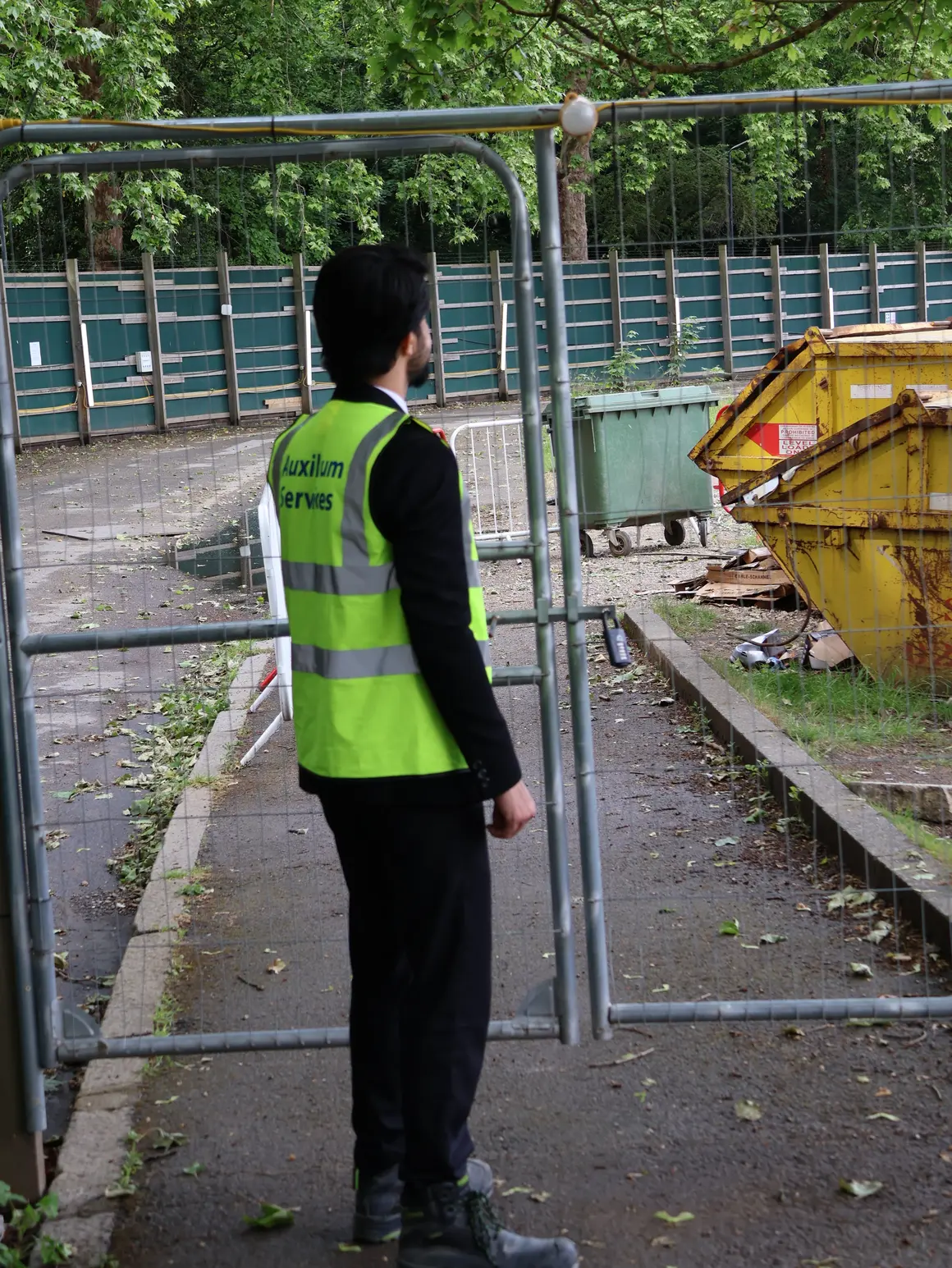
A secure perimeter forms the foundation of effective building site security London projects require.
Criminals often target sites with weak fencing, damaged gates, or inadequate barriers. Strengthening the perimeter helps reduce opportunities for unauthorized access.
Consider implementing:
- Steel fencing
- Security gates
- Anti-climb barriers
- Warning signage
- Controlled vehicle access points
Well-maintained perimeter security systems create a visible deterrent while helping security teams identify breaches more quickly.
Perimeter Security Checklist
- Inspect fencing regularly
- Repair damage immediately
- Illuminate vulnerable areas
- Secure all access points
- Install surveillance cameras
Perimeter protection should be reviewed throughout each project phase as site layouts change.
6. Implement Temporary Construction Site Security Solutions
Every construction project has unique requirements. For short-term developments, temporary construction site security can provide flexible and cost-effective protection.
Temporary security measures may include:
- Mobile patrols
- Portable CCTV towers
- Temporary fencing
- Alarm systems
- Security lighting
These adaptable solutions help contractors maintain security without committing to permanent infrastructure.
Many providers offer tailored construction security solutions designed to meet specific project requirements and budgets.
Ideal Situations for Temporary Security
- Short-term developments
- Infrastructure upgrades
- Emergency repair projects
- Vacant construction sites
- Phased construction works
Temporary security remains an excellent option for reducing risk while maintaining operational flexibility.
7. Establish 24/7 Site Security Procedures
Construction sites can become vulnerable outside normal working hours. Implementing 24/7 site security ensures continuous protection against theft and unauthorized access.
A comprehensive security plan should include:
- Night patrols
- Alarm monitoring
- Emergency response procedures
- Incident reporting systems
- Security audits
Combining site security services with technology-driven monitoring provides a stronger overall defence against criminal activity.
Building a Strong Security Culture
Security should not be viewed as the sole responsibility of guards or managers. Everyone on-site should contribute to maintaining security standards.
Encourage workers to:
- Report suspicious activity
- Secure tools properly
- Follow access procedures
- Wear identification
- Participate in security briefings
A proactive approach helps create a safer environment for all personnel.
Choosing the Right Onsite Security Services Provider
Selecting a trusted provider of onsite security services can make a significant difference in the effectiveness of your security strategy.
When evaluating providers, consider:
- Industry experience
- Security officer training
- Licensing and accreditation
- Monitoring capabilities
- Response times
- Customer reviews
- Tailored security planning
Reliable onsite security services should be capable of adapting to the unique challenges associated with construction environments.
Internal Security Services You May Need
To create a complete security solution, consider linking this page to related services such as:
- Mobile Security Patrols
- CCTV Monitoring Services
- Key Holding and Alarm Response
- Manned Guarding Services
- Event Security Services
- Corporate Security Solutions
- Concierge Security Services
- Remote Monitoring Solutions
These services can complement construction site security strategies and provide broader protection for businesses and development projects.
Conclusion: Making Security and Safety a Priority
Effective Construction Site Security London strategies are essential for protecting workers, equipment, materials, and project schedules. Construction sites remain attractive targets for theft, vandalism, and trespassing, particularly in busy urban environments.
By employing professional security guards, installing CCTV systems, improving access control, utilizing monitoring technology, securing site perimeters, implementing temporary security measures, and maintaining round-the-clock protection, contractors can significantly reduce risk.
Investing in professional security today helps safeguard valuable assets, improves operational efficiency, and ensures construction projects remain on track from start to finish.